The Most Important Ingredient in Your Soap is The One They Take Out

You know the feeling. That tight, stretched-out sensation across your skin after a shower. We were all taught to call it “squeaky clean.” The lie detector test has determined, that! was a lie. That feeling is the sound of your skin’s moisture barrier being stripped away. It’s a sensation people in handmade soap communities constantly describe as the thing they happily left behind. The truth is, cleaning your skin shouldn’t be a punishment. It is not about getting clean. It is about what they take from you.
The Ingredient They Steal for Profit
Every single bar of true soap is made through a chemical reaction called saponification. When fats and oils are mixed with an alkali, they create two things: soap and glycerin. Glycerin is the prize. It is a humectant, a substance that, as a popular skincare forum will tell you, actively draws moisture from the atmosphere into your skin. It is the ingredient that makes soap gentle, hydrating, and luxurious. It is also the ingredient that large-scale manufacturers deliberately remove from their soap.
According to industry resource Modern Soapmaking, industrial soap producers use a process called “salting out” to separate the valuable glycerin from the soap base. They then sell that glycerin as a separate, highly profitable raw material to the food, pharmaceutical, and cosmetic industries. What’s left behind is a simple, harsh surfactant. A detergent. They take the best part of the soap, sell it back to you in a plastic bottle of lotion, and leave you with a bar that creates the very problem their other products claim to solve.
That Bar in Your Shower Might Not Even Be Soap
Look closely at the packaging on that mass-market bar. Does it say “soap”? Often, it doesn’t. It might say “beauty bar,” “cleansing bar,” or “body bar.” This isn’t just marketing. The FDA has a surprisingly strict legal definition of soap, and these products don’t meet it. They are, legally and chemically, synthetic detergents. This is why your skin feels tight and dry. You are not washing with soap. You are washing with a detergent pressed into the shape of a bar.
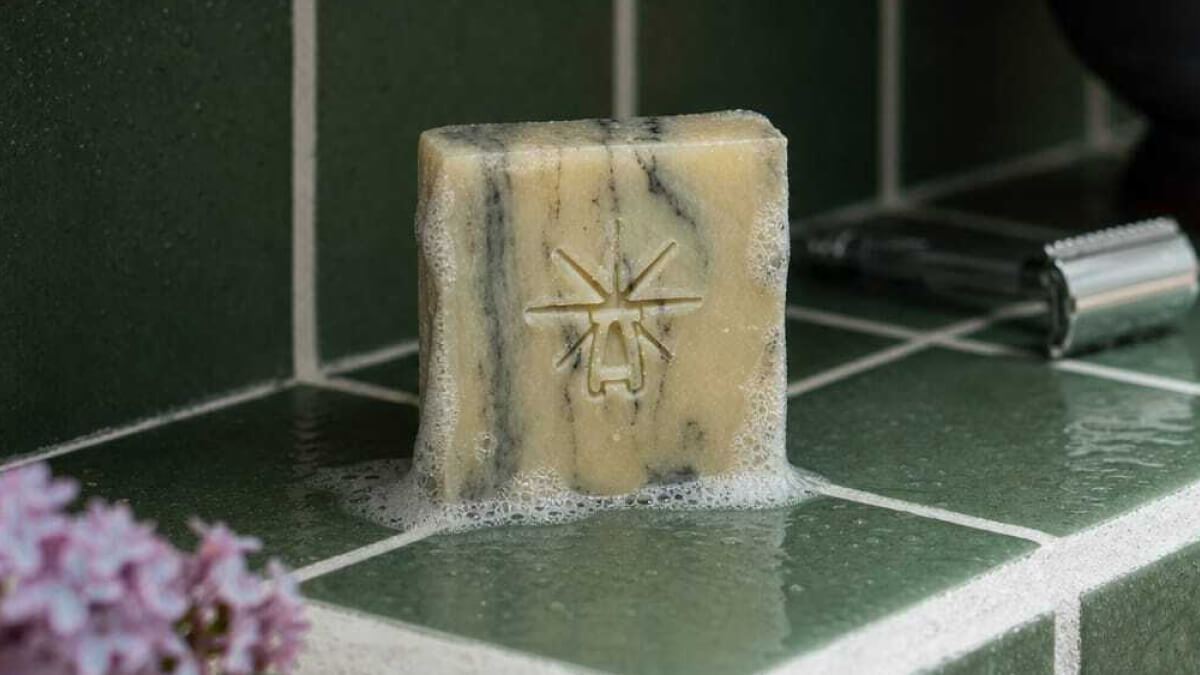
This is where the distinction of handmade soap becomes critical. In this traditional method, the glycerin is never removed. It is created and remains woven into the very fabric of the bar, right where it belongs. Making it the old way means that every oil, every butter, and all of that naturally occurring glycerin stays in the final product. It is a fundamentally different object from a commercial detergent bar. It’s also why the lye panic needs to stop; it’s simply the catalyst for a reaction that creates a superior, gentle product.
What Real Soap Feels Like
When you use a true handmade bar, the difference is immediate. There is no tightness, no squeak, no desperate reach for the lotion bottle. Your skin feels clean, soft, and balanced. This is because the retained glycerin is doing its job, hydrating your skin while the soap does its job of cleansing. It’s the reason why handmade bars are best for sensitive skin. They don’t strip away what your skin needs to protect itself.
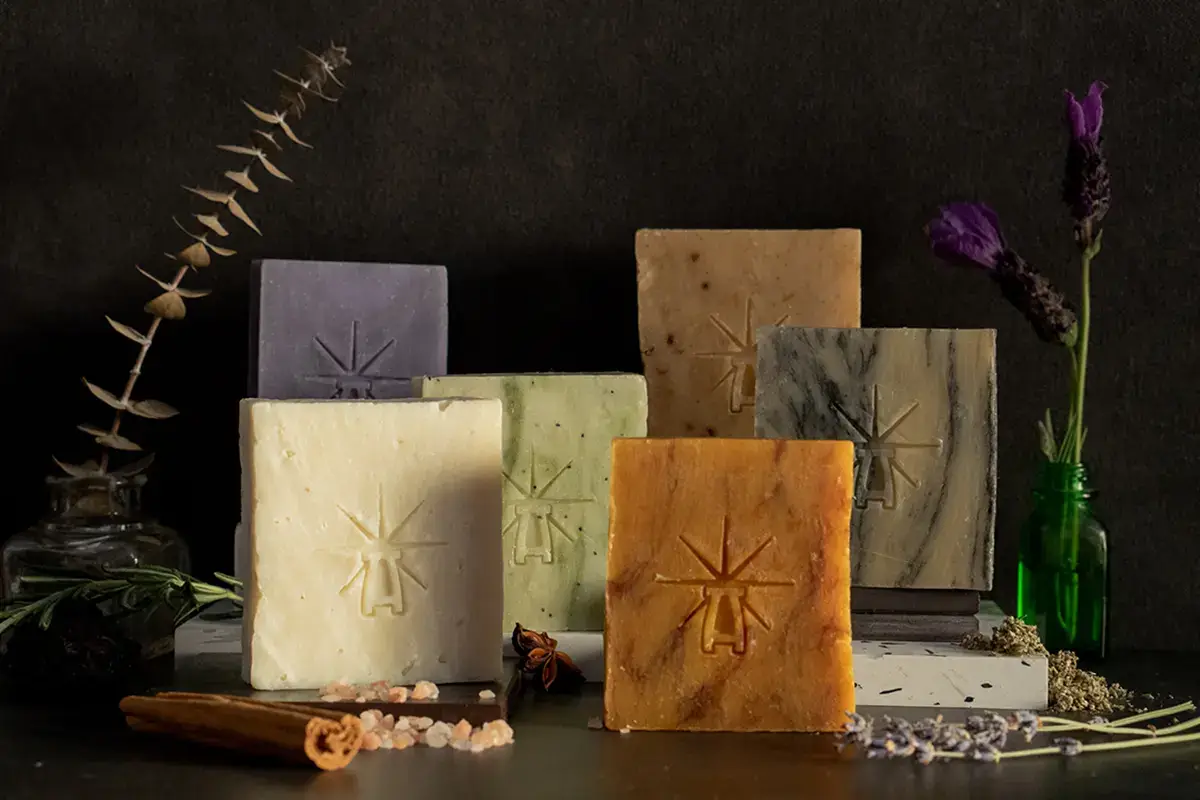
This is what we make. Sky formulates every recipe to be a complete ecosystem of oils and butters, and our manufacturing partner in North Carolina hand-pours every small batch, ensuring the integrity of the process. The glycerin is never touched.
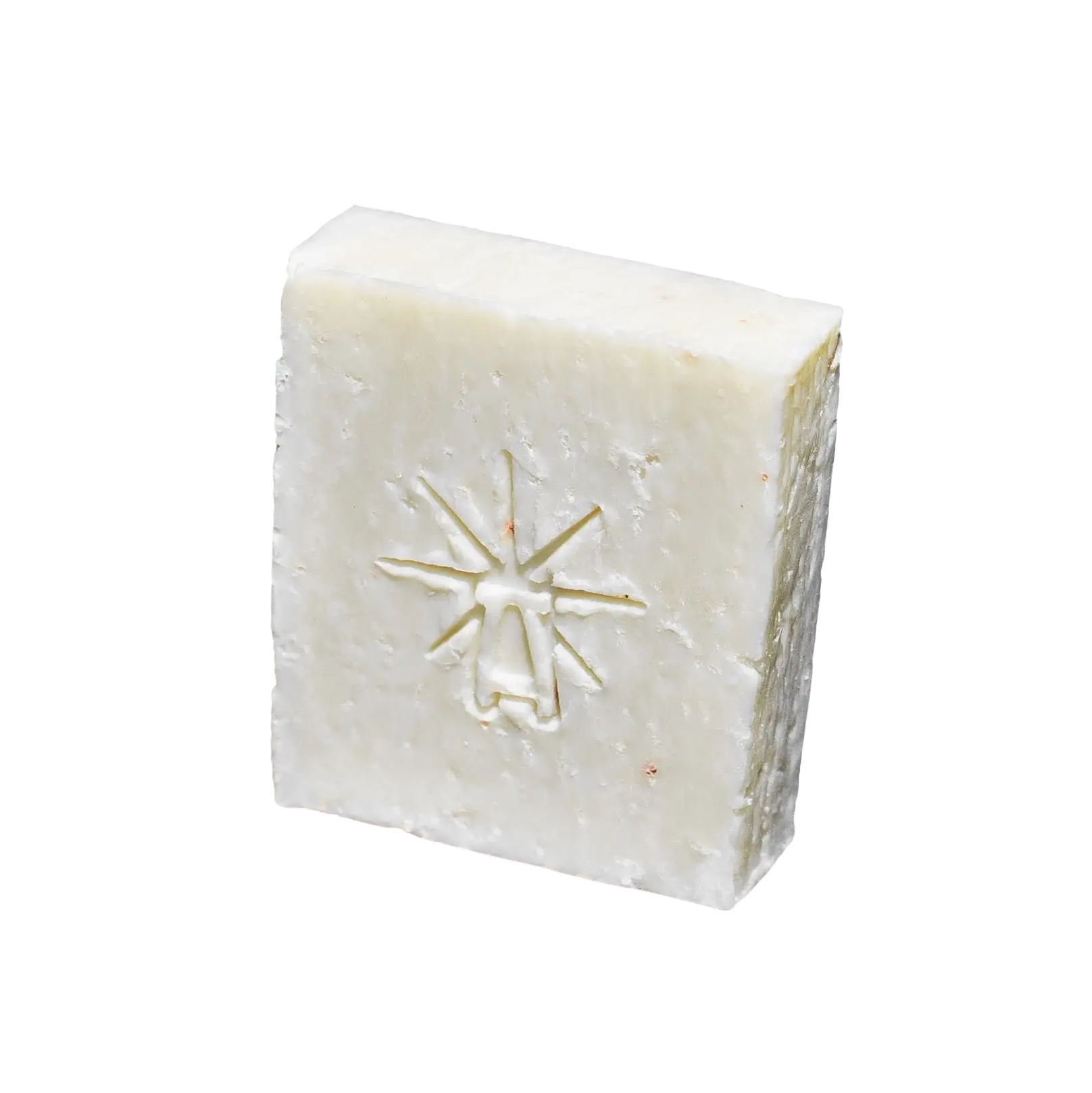
Related product
Earth Salt
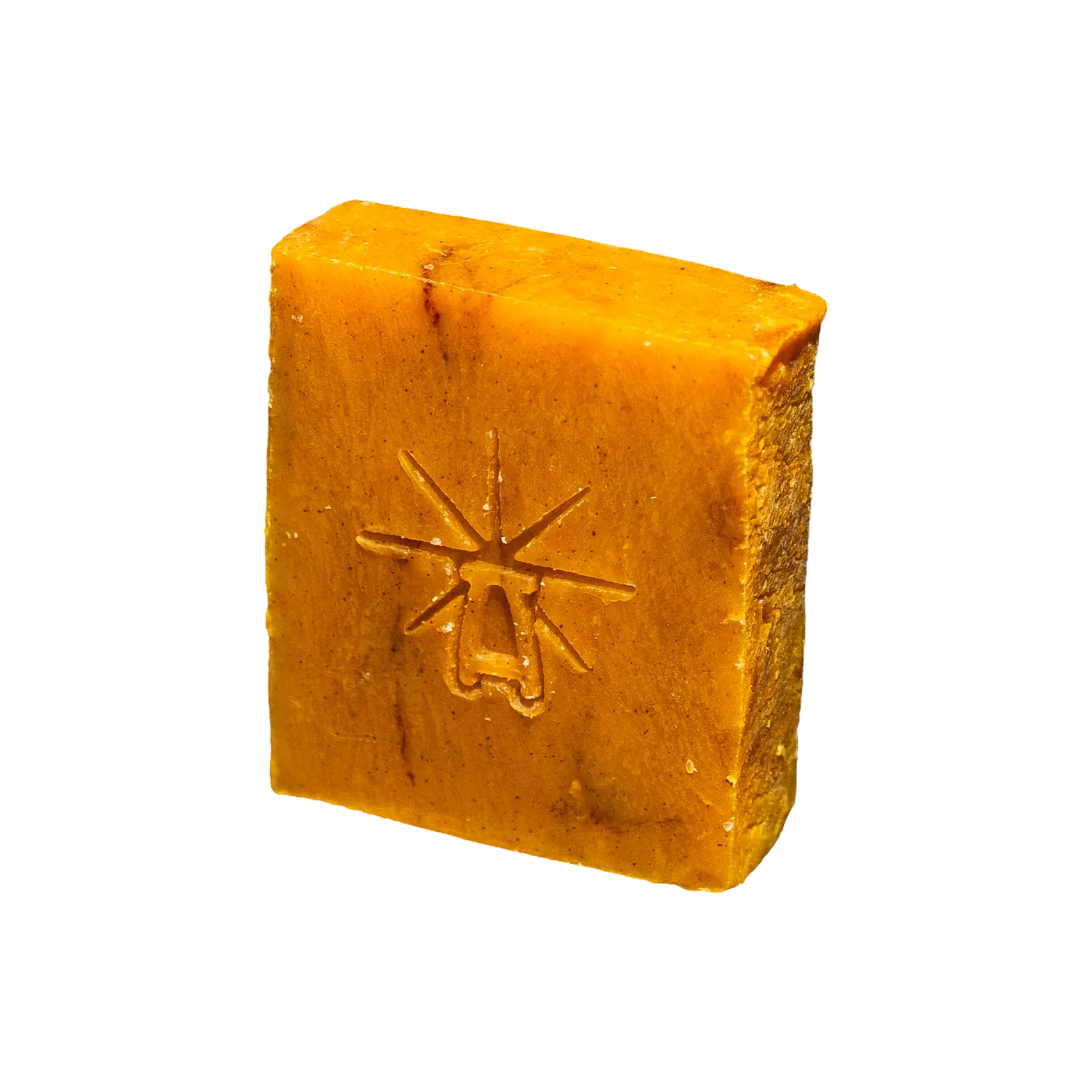
Related product
Ritual Ember
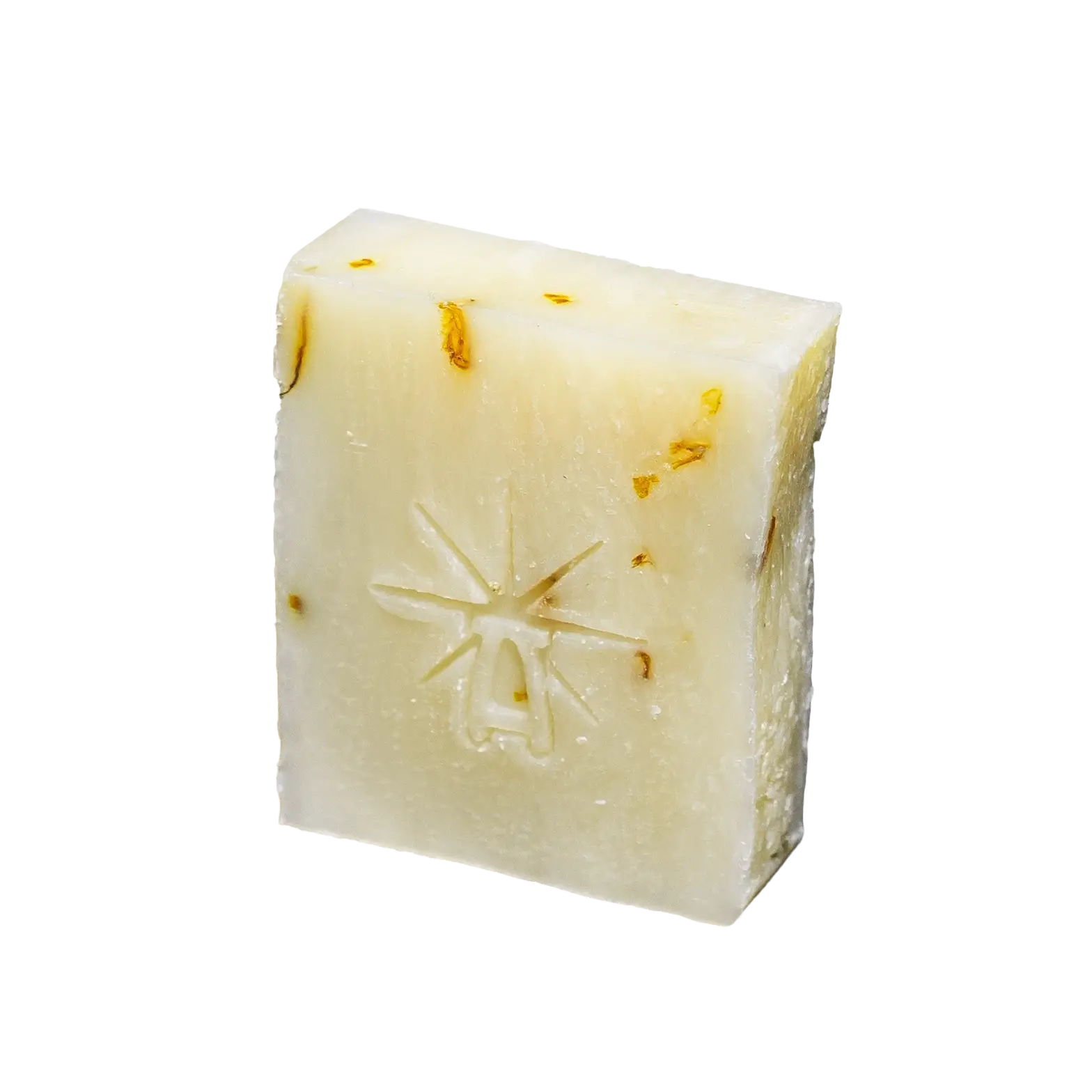
Related product
Aloe Veil
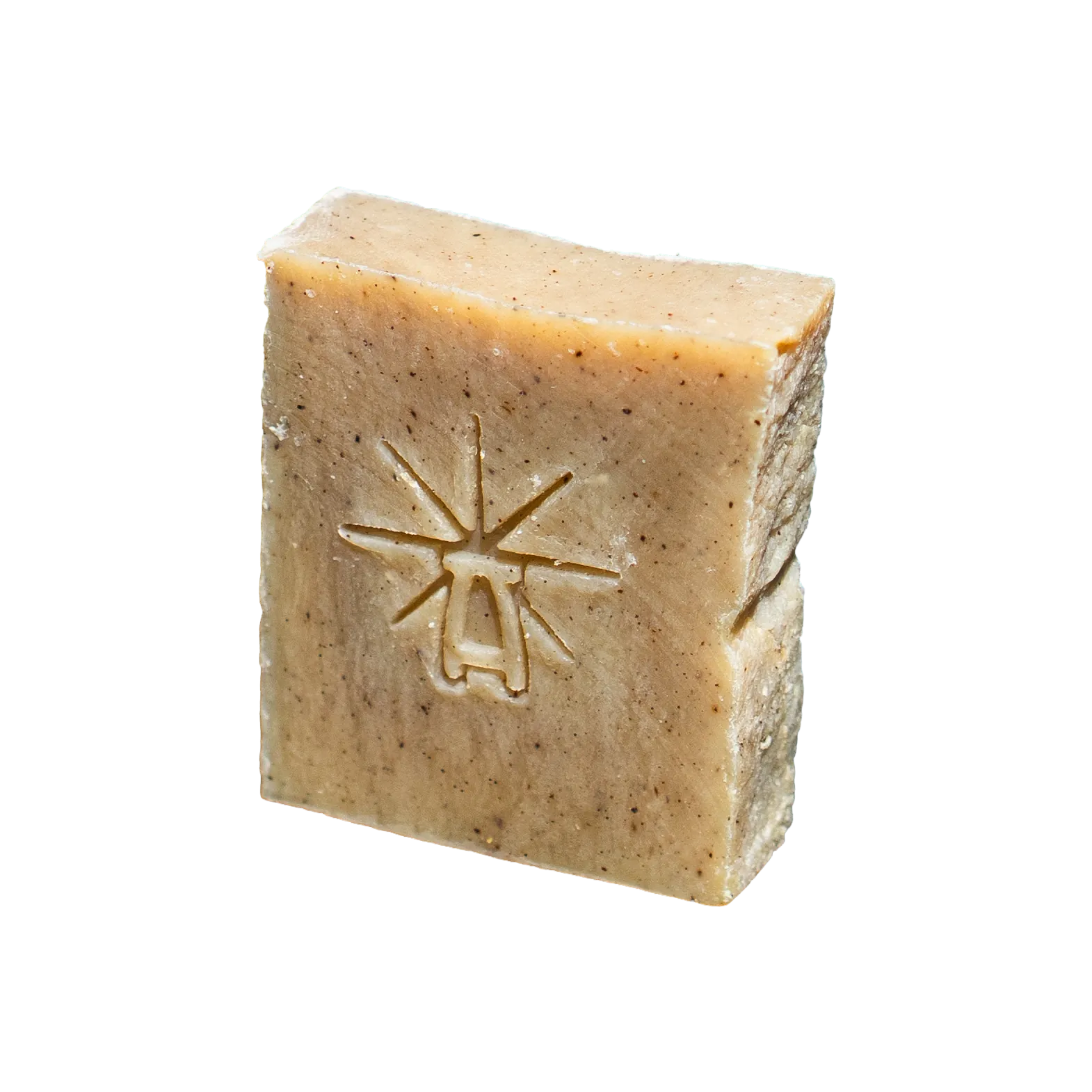
Related product
Vanilla Twilight
The choice is not about fragrance or clever marketing. It is a choice between a product that has been intentionally dismantled for profit and one that is left whole. It is about what is left in, not just what is washed off. You can see all of our complete, glycerin-rich wares here.
If you are tired of feeling stripped clean, perhaps it is time to try something whole. You can start here.