The Eczema Body Wash Problem Nobody Wants to Talk About

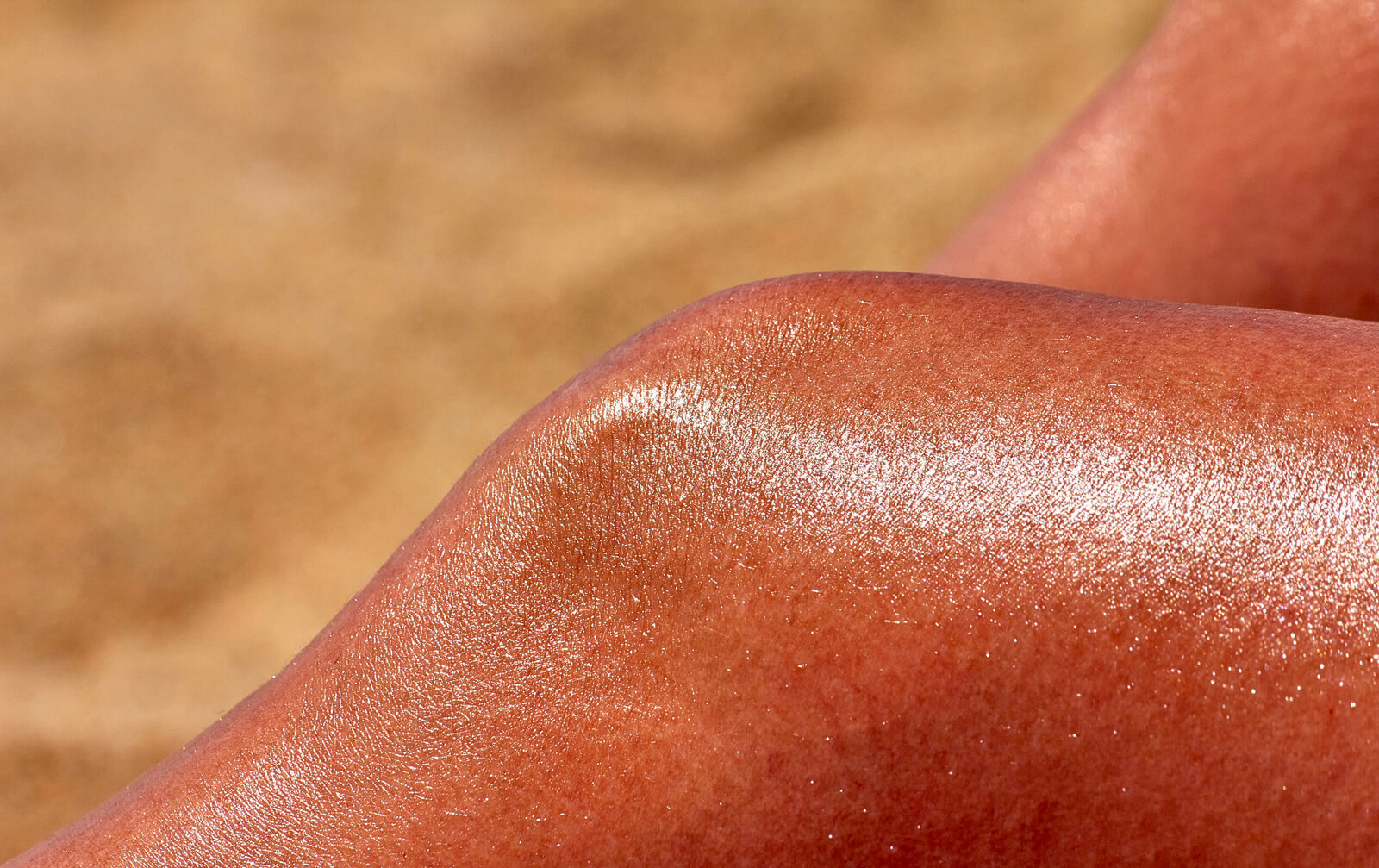
I don’t have eczema. But I’ve watched a friend spend years buying every “sensitive skin” body wash on the shelf, layering on lotion right after the shower, doing everything right, and still waking up with that tight, angry skin that just wouldn’t settle. At some point I started looking into it, not because I was going to fix it for her, but because it didn’t make sense to me. She was doing everything the bottles told her to do.
What I found out is that the bottles might be part of the problem.
The Fragrance Blame Game
If you go looking for a body wash for eczema-prone skin, you’ll find about a hundred options all saying the same thing: fragrance-free, dermatologist-tested, gentle formula. And fragrance really is a common irritant, so that’s not nothing. But when you flip the bottle over, the second ingredient is usually sodium laureth sulfate, or a cousin with a softer-sounding name that does the same thing. The whole industry figured out that “fragrance-free” is what people are searching for, so they removed the fragrance. The cleansing agent stayed.
What Sulfates Actually Do
Your skin has something called an acid mantle, a slightly acidic film that sits on the surface and keeps moisture in and bacteria out. It lives around pH 4.7 to 5.75. Sulfate-based cleansers are surfactants, meaning they bind to oil and lift it off. That’s their job. The issue is they don’t discriminate. They take the dirt, and they take the lipids your skin made to hold itself together.
On normal skin, you barely feel it. On skin that’s already dealing with a compromised barrier (which is what eczema is, at its core) you feel it within the hour. That dry-tight feeling that lotion doesn’t quite reach. That’s not your skin type. That’s what the wash left behind.
Why Handmade Soap Behaves Differently
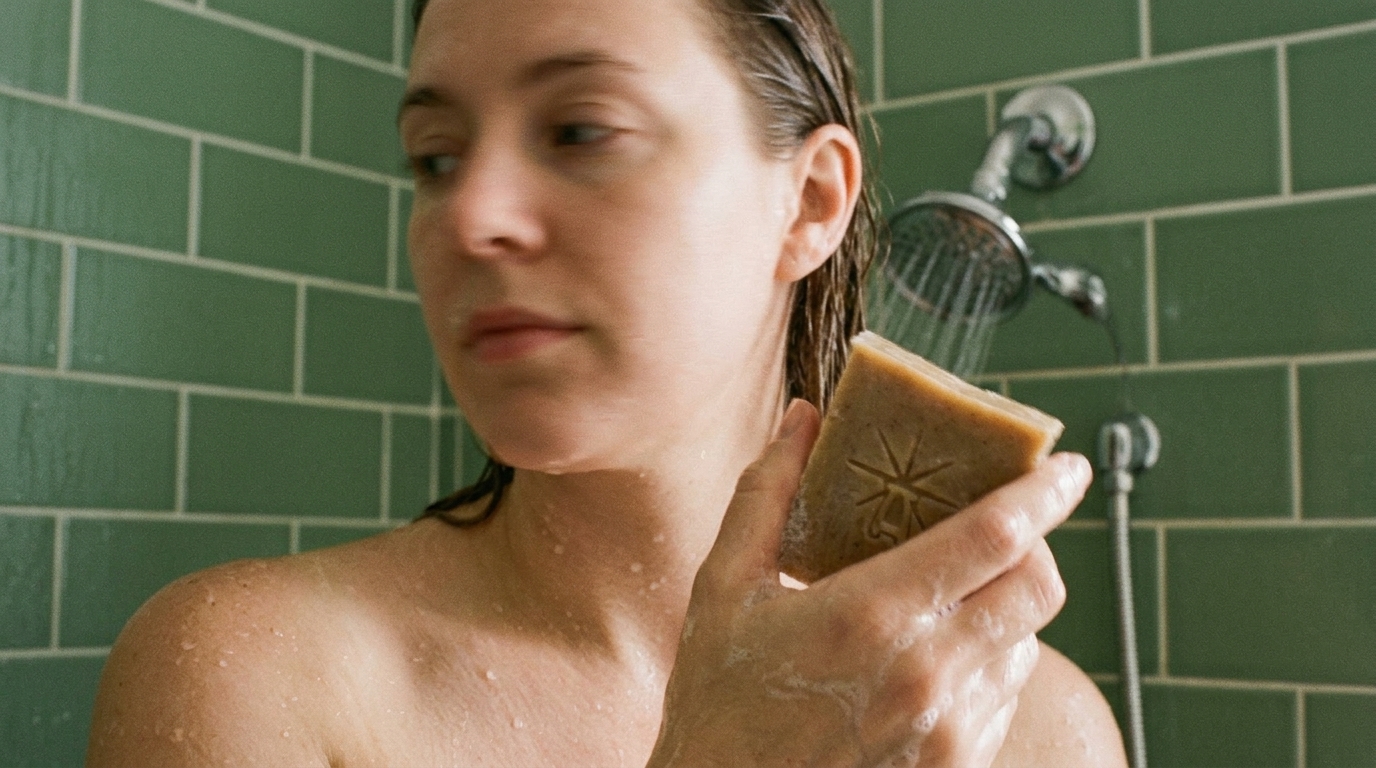
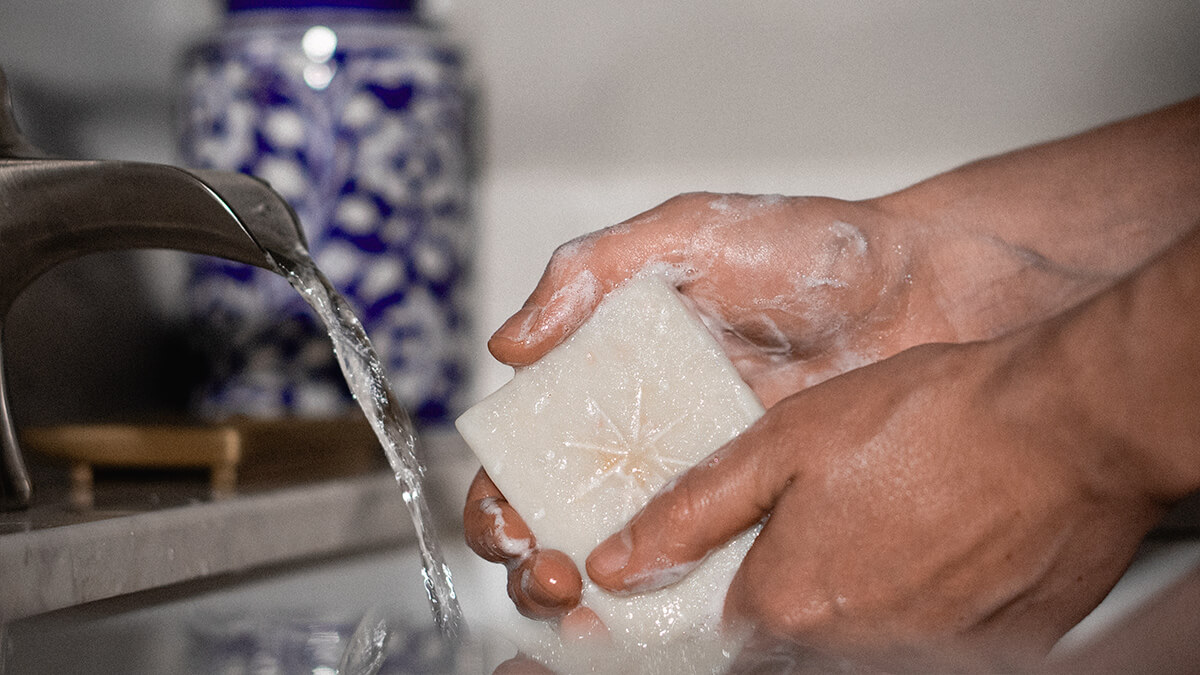
Handmade soap is technically alkaline, which sounds like a dealbreaker until you understand how it rinses. When Sierra makes a bar in Prineville, the saponification process that turns oil and lye into soap also produces glycerin as a byproduct. Commercial manufacturers pull that glycerin out and sell it separately, usually into lotion lines. A real handmade bar keeps it. Glycerin is a humectant, it draws moisture back to the skin as the bar rinses off. So instead of leaving you stripped, it leaves you softer than you went in.
The other thing is superfatting. The bar is made with more oil than the lye can fully react with, so unreacted oils stay in the finished soap. When you wash, those oils deposit a thin lipid layer. For skin that’s missing ceramides and prone to water loss, that film is the whole point. It’s closer to what the skin barrier is actually trying to do than anything a foaming bottle can offer.
More on the mechanics in why handmade bars are best for sensitive skin, if you want to go deeper.
One Bar Still Isn’t Enough
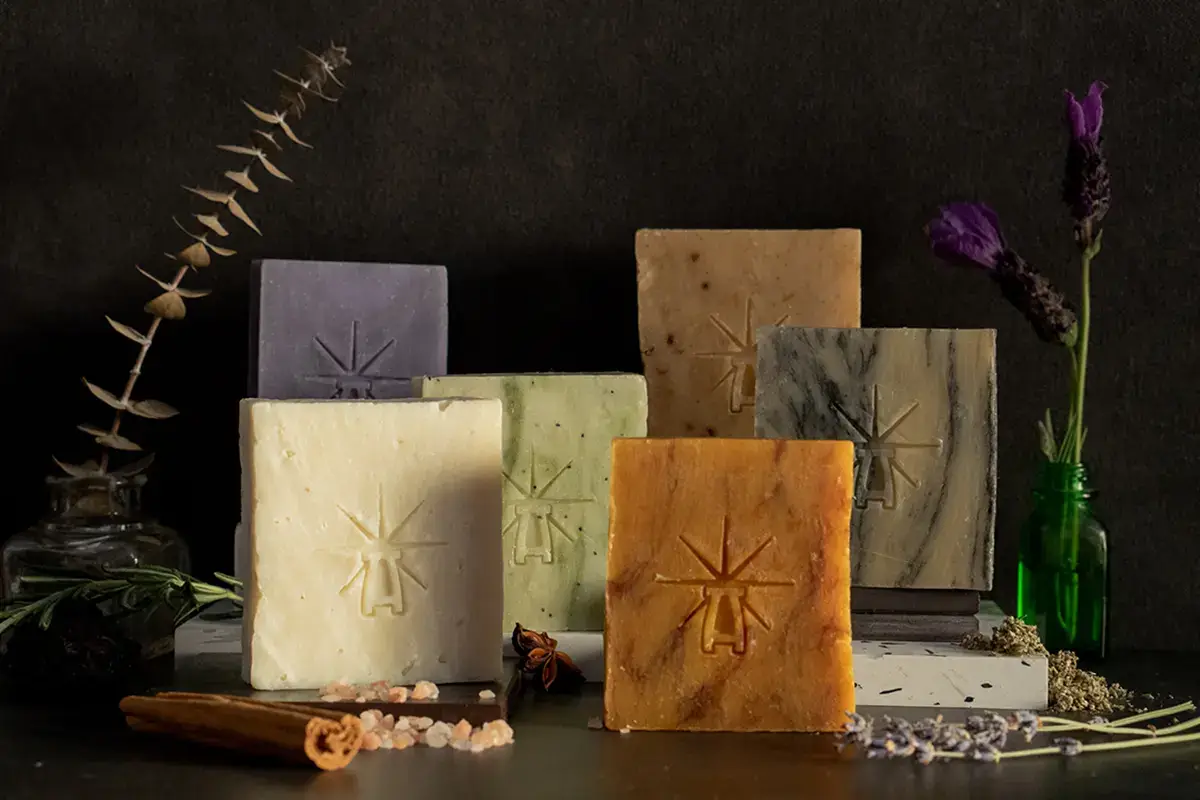
Here’s the thing my friend figured out eventually: a single “sensitive skin” bar for the whole body was still underperforming. Different areas have different needs. The skin on your face and the skin on your elbows are not asking for the same thing. A rotation (something with olive for the driest patches, something with a heavier superfat for sustained barrier support) made more of a difference than any single product ever did. We wrote about that math in why one bar can’t do the job of three.
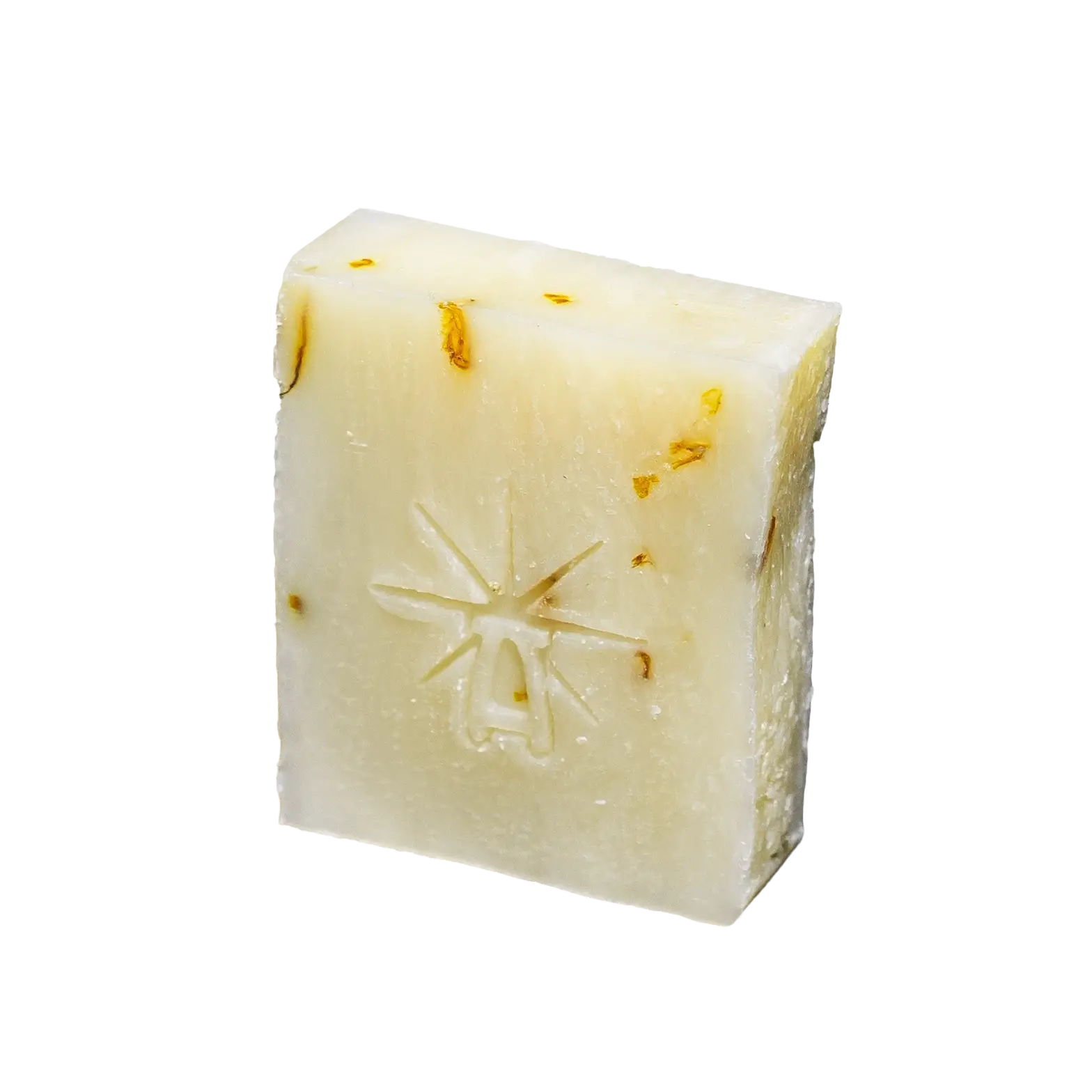
Related product
Aloe Veil
What You’re Actually Looking For
The National Eczema Association has been saying for years: avoid sulfates, look for superfatted soaps. That guidance doesn’t show up on the packaging of the body washes filling the “eczema” shelf at the drugstore. Partly because the recommendation cuts against the product category. A sulfate-free, glycerin-retaining, superfatted handmade bar doesn’t need the shelf space. It just needs to work.
If you’ve been doing everything right and the skin still isn’t settling, the wash is worth looking at. Not the lotion. Not the routine. The thing you’re actually cleaning with.
Two minutes to find the right bar for your skin. Take the Arrival Quiz.