How vegan bars build good karma

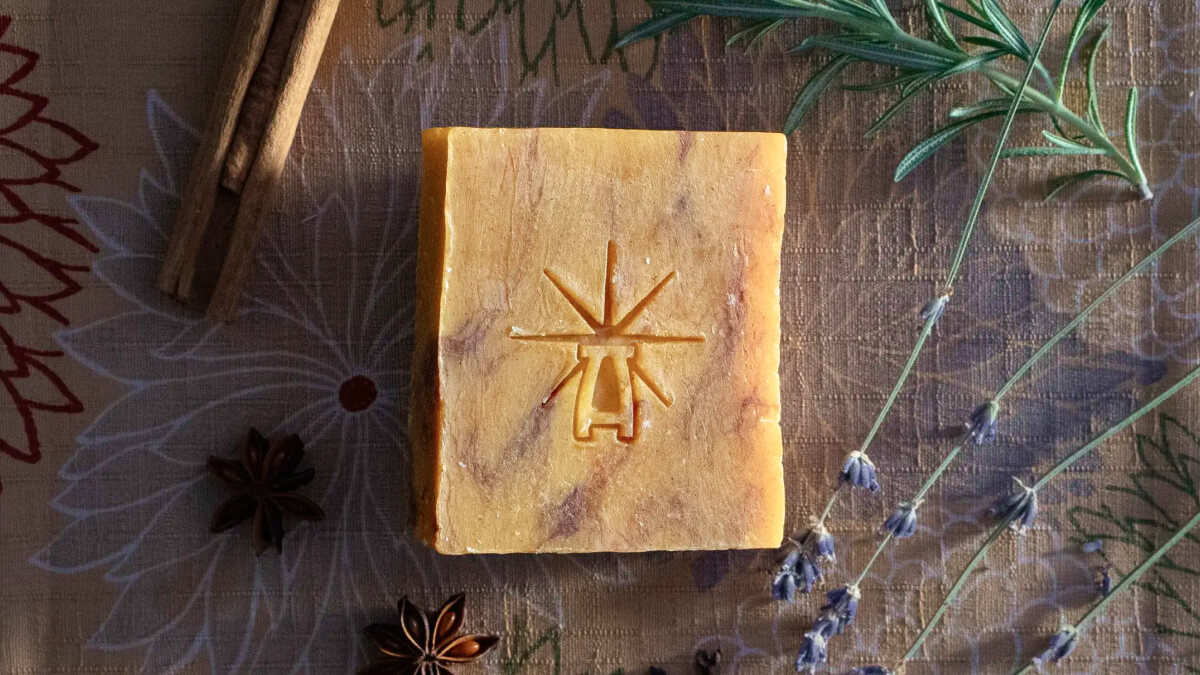
You lather up to lose sweat, grime, and SPF, no reason the planet should rinse away with it. Traditional bars rely on tallow, an animal-fat by-product that comes bundled with livestock emissions and land demand. We’re here to help show you how vegan soap lowers your environmental impact.
Why Vegan Soap Matters
The buzz around vegan soap environmental impact is more than hype. Switching to plant oils (olive, coconut, shea, sustainable palm done right) cuts resource use across the board. A global life-cycle study shows animal-sourced ingredients use roughly twice the land and water and create 3-4× the greenhouse gases of equivalent plant inputs.
Plants > Tallow:
- Cleaner supply chain No livestock, no slaughter by-products.
- Lower carbon trail Crops grow on sunlight; cattle need feed, fuel, and methane-heavy digestion.
- Calmer skin Plant oils skip common tallow allergens.
“Switching from animal to plant ingredients can shrink environmental impacts by up to 70 %.”
Sustainable palm, done right
Palm oil gets a bad rap for deforestation, yet it’s the most land-efficient oil crop on earth. The fix isn’t boycotts, it’s certified sustainable palm. Programs like RSPO prohibit new planting on peat, protect high-conservation forests, and cut carbon emissions at the mill. The Palm Done Right initiative goes further: 100 % organic, fully traceable, wildlife-friendly, and fair-trade audited. That’s the standard we source, so you get the performance of palm without the rainforest regret.
Feel-Good Suds
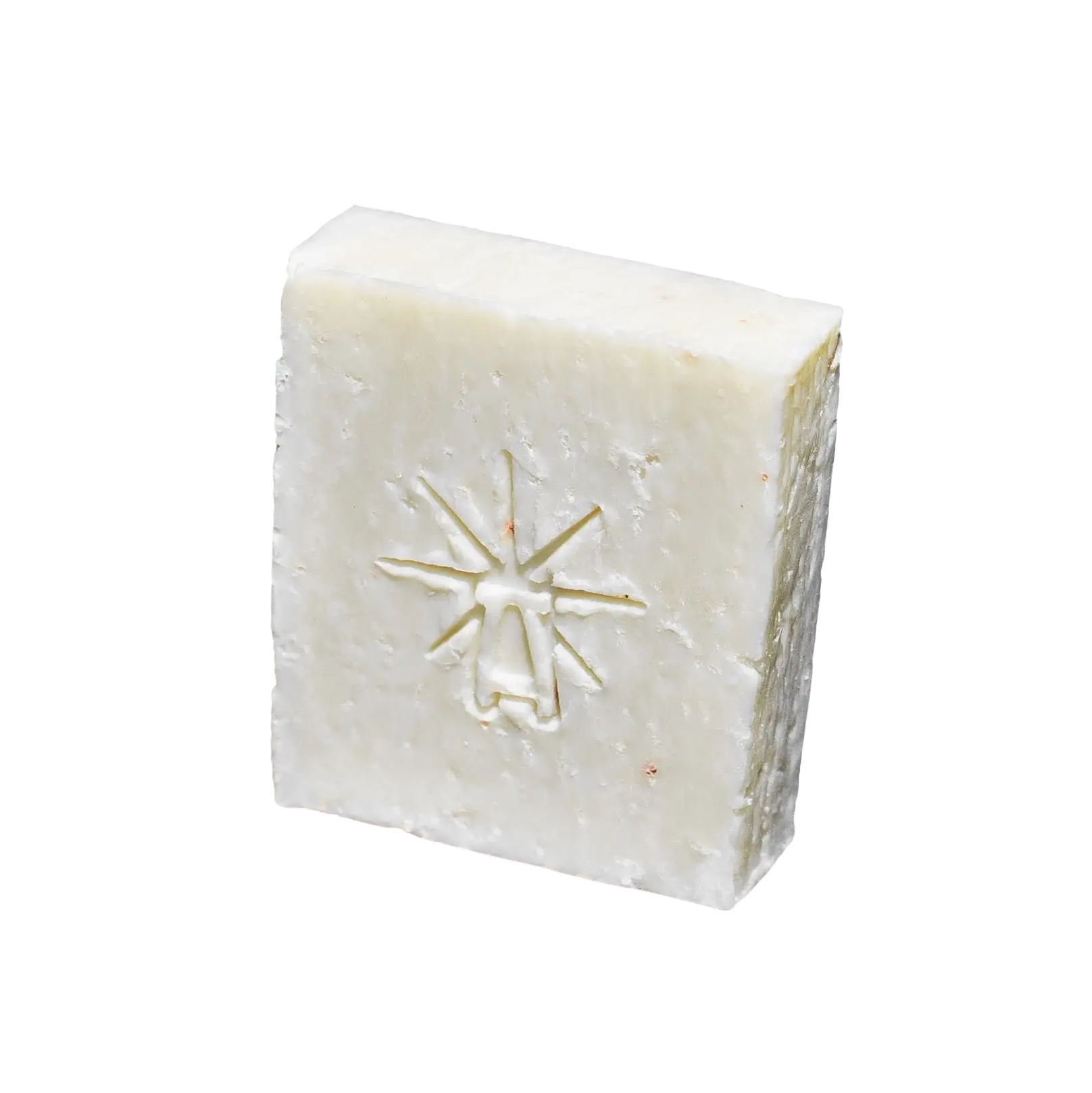
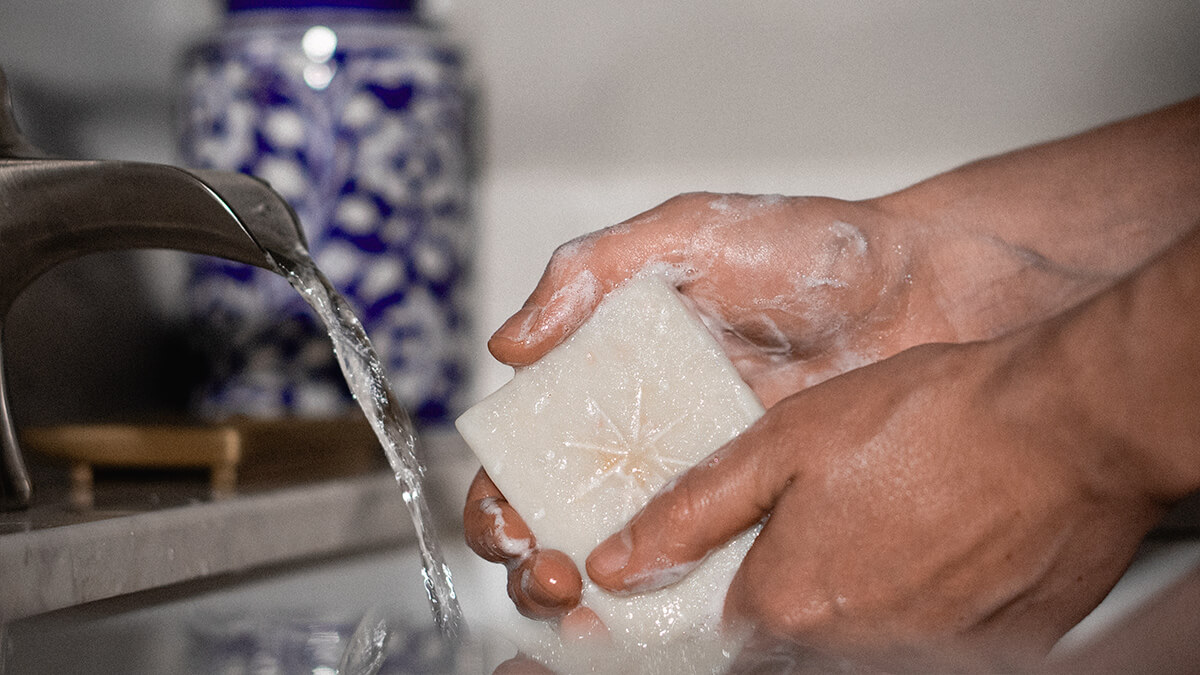
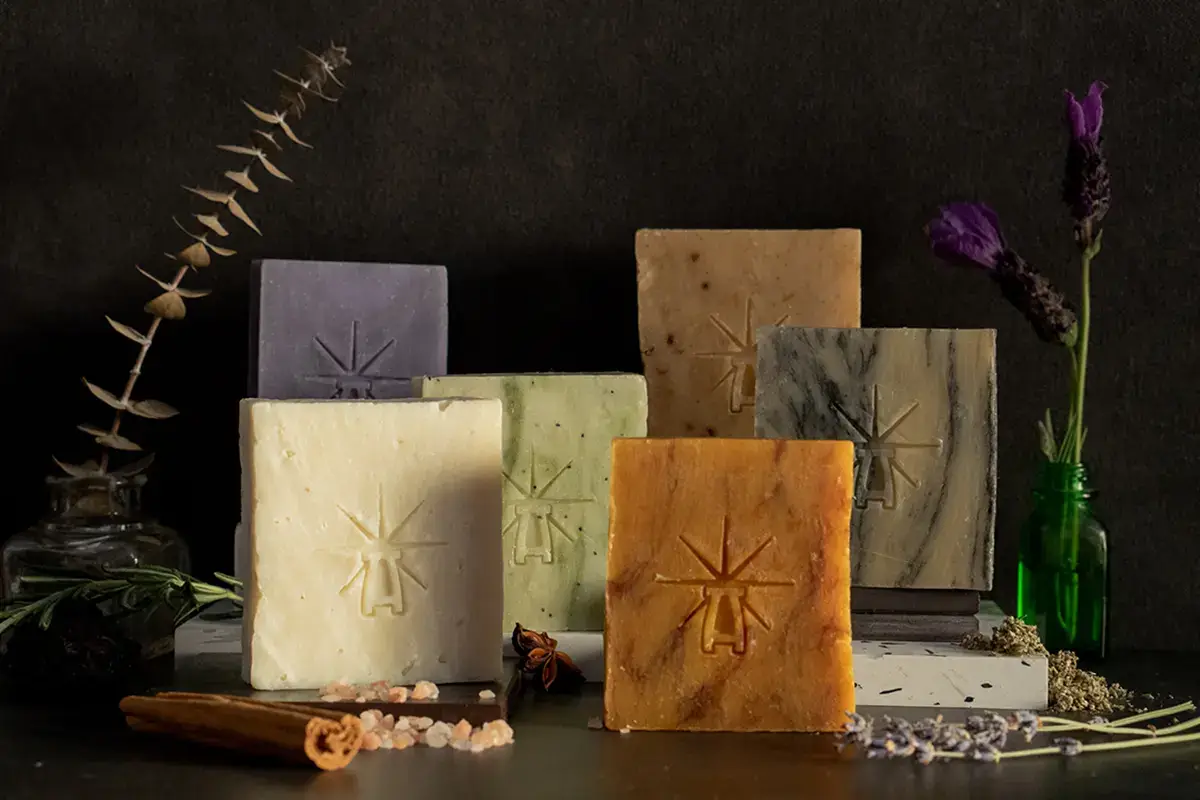
Black Altar bars are handmade, cruelty-free, and wrapped in paper. Grime goes down the drain; and guilt stays out of your ritual.
Bring It Home
Ready to lighten your footprint? Start with our Earth Salt or Witch Bloom bars, both vegan, both plastic-free.
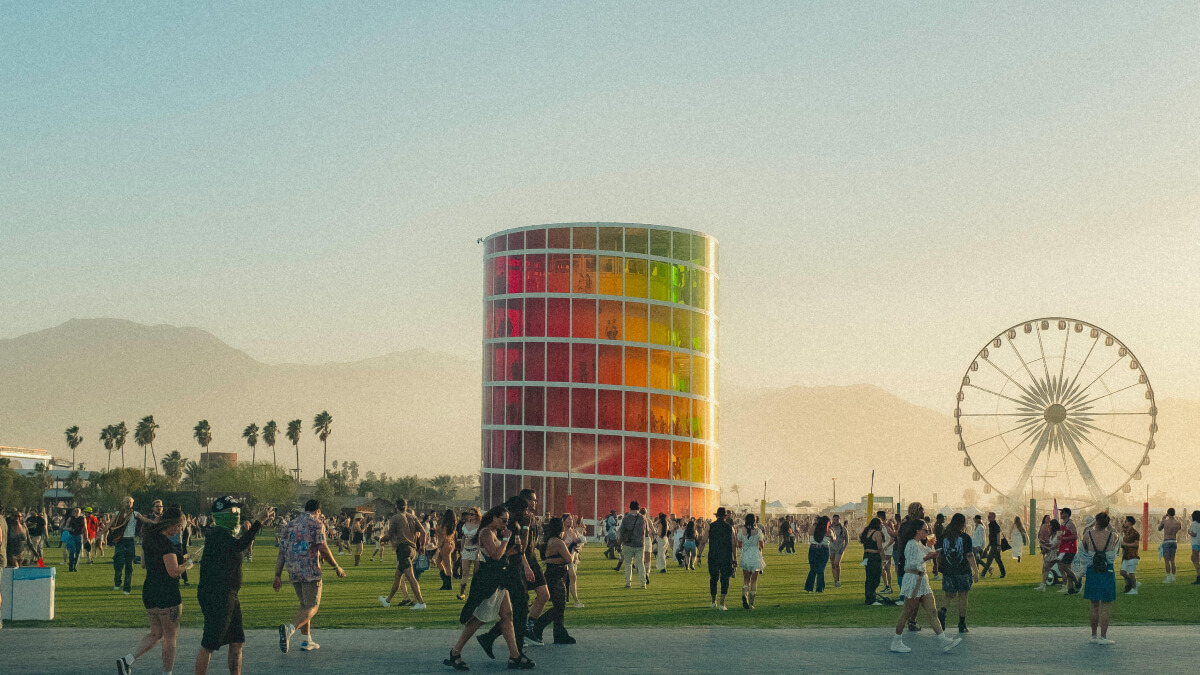
Want bigger moves? See our guide to low-waste festival hygiene on the blog.
Related product
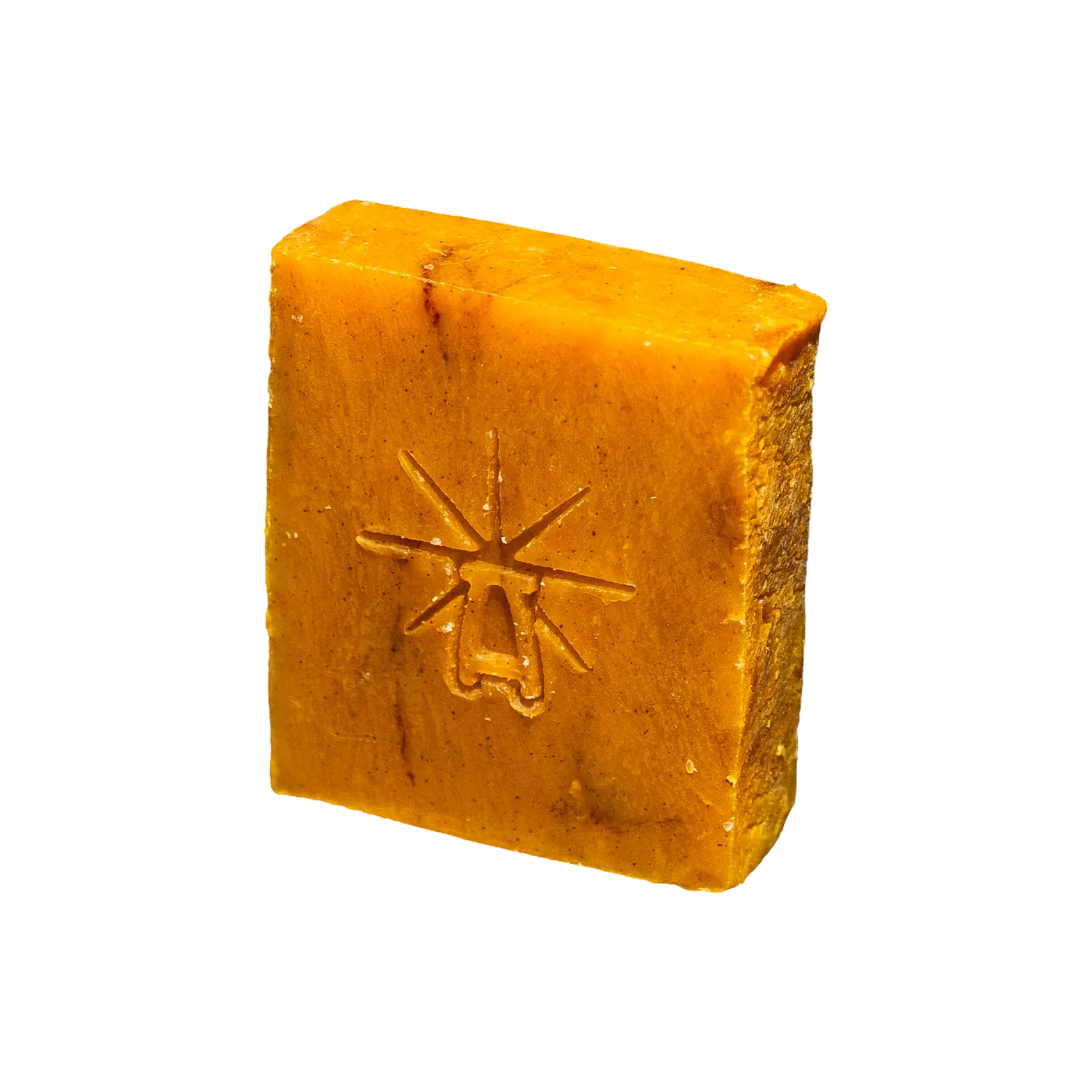
Ritual Ember